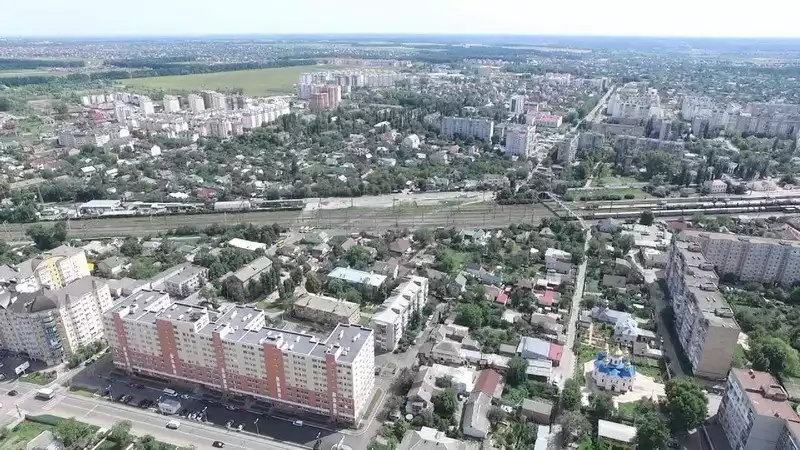
When people talk about real estate in the suburbs of Kyiv, many still think too broadly. In simple terms: if a property is not located in the capital itself, then it is automatically cheaper and roughly similar in its characteristics to other options “near Kyiv.” In reality, this is not the case.
The suburban market is very mixed. One direction is valued for convenient access to Kyiv, another for forests, water, and a calmer environment. In some places, apartments in satellite towns sell better, while in others the main demand is for private houses, summer houses, or land plots for development. That is why the approach to valuing such properties cannot be the same everywhere.
There is another important point. For an apartment in Brovary, Vyshneve, or Irpin, transport links, development density, schools, kindergartens, shops, and everyday logistics often come first. But for a house or a land plot outside the city, terrain, the format of the settlement, water on the plot, utilities, neighbors, and even how easy it is to get onto the main road in winter become much more important.
That is why the suburbs of Kyiv should be seen not as an abstract “housing cheaper than in the capital,” but as a set of very different local markets. And if we speak not in the language of dreams about moving out of the city, but in the language of real property value, the difference between them becomes even more obvious.
1. How the Direction of the Suburb Affects Property Value
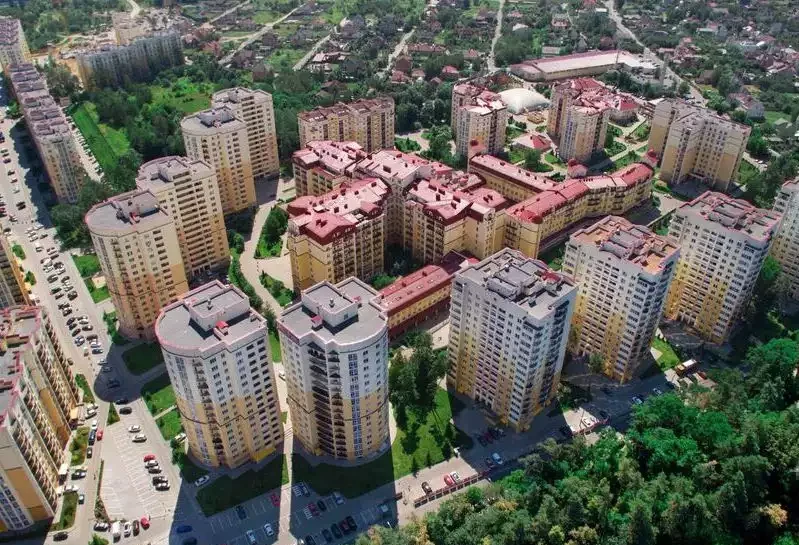
When valuing an apartment, house, or land plot in the suburbs, people first of all look not at a beautiful photo in a listing, but at the location. And what matters is both the general direction from Kyiv and the more local connection to a specific village, cooperative, small town, or private residential area. It is the location that very often explains why two properties of similar size can cost completely different amounts.
For Kyiv, the basic question traditionally begins with choosing the side of the Dnipro River — the right bank or the left bank. The reason is simple: bridges, traffic jams, familiar daily routes around the city, and access to “your” side of the capital affect how a location is perceived much more strongly than it may seem at first glance. For a buyer who works on the right bank, even a decent house on the left bank may look less attractive simply because of everyday logistics. And vice versa.
Right bank. If we speak specifically about market attractiveness, the difference between directions on the right bank is very noticeable.
- Koncha-Zaspa. This is one of the most expensive directions in the suburbs of Kyiv. The price here is shaped not only by the status of the location, but also by nature, proximity to the Dnipro, convenient access to the capital, and the general perception of the area as prestigious. At the same time, not all real estate here is premium: in summer house cooperatives and less promoted locations, you can still find more moderate options in terms of budget.
- New Obukhiv Highway. From a valuation perspective, this is an ambiguous direction. On the one hand, it offers convenient access to Kyiv. On the other hand, the value of certain properties may be negatively affected by proximity to a landfill, the movement of garbage trucks, and in some places also railway noise. These things are not always visible in a listing, but the market feels them well.
- Odesa direction. There are many locations here that increasingly resemble the city itself in terms of development rather than a classic quiet suburb. For apartments this can be a plus: there is demand, new residential complexes, and a familiar urban logic. But for those looking for a private house with a sense of space, part of this area no longer gives the effect people are willing to pay extra for.
- Vyshneve and Boyarka. This direction is popular, but its market perception strongly depends on access to Kyiv. The absence of a major highway and the difficult route toward the Ring Road during peak hours affect the comfort of using the property and, as a result, its liquidity.
- Zhytomyr direction. It was once considered almost ideal because of the quality highway and quick access to the capital. But over time, the very popularity of this direction created a problem: a large amount of development and serious traffic jams reduced part of its advantages. For valuation, this matters because the reputation of a direction is shaped not only by nature or distance, but also by the real travel time.
- Hostomel Highway. Its strength lies in forests, lakes, and a more cozy sense of environment. Such locations are often well perceived in the segment of houses and summer cottages. But transport accessibility still remains decisive: if the road to Kyiv takes too much time, this restrains the price.
- Vyshhorod direction (right bank of the Dnipro). Areas near the Dnipro are consistently attractive to the market. Nature, recreation zones, and relatively convenient access to Obolon and the center of Kyiv support property values. An additional advantage of the right bank is a lower risk of flooding and high groundwater compared to many left-bank locations near water.
Left bank. There are fewer directions here, but each has its own pricing logic.
- Vyshhorod direction (left bank of the Dnipro). This area is attractive for its nature, open space, and relatively low density of private housing. But the bottleneck in the form of the Kyiv Hydroelectric Power Plant makes transport accessibility more difficult. Because of this, the same natural advantages are offset for some buyers by the problem of the road.
- The road to Oster along the Desna. Here you can often find a very attractive balance of price and quality. The places are picturesque, prices are below average, but for valuation it is critically important to check the risk of flooding and the groundwater level. On paper, a plot may look excellent, but in practice it may turn out to be problematic in spring.
- Brovary direction. This is one of the most balanced directions on the left bank. There is demand for apartments, normal infrastructure, and a more even environment without the feeling that everyone is “living on top of each other.” That is why properties in many settlements in this direction are perceived by the market quite confidently.
- Boryspil Highway. The main advantage here is the highway itself, which allows quick access to Kyiv. But the lack of forests, water, and a more distinctive natural setting in some locations restrains those segments where buyers expect not just a house, but also the atmosphere of suburban living.
- Osokorky-Vyshenky. This is a very specific direction where price is strongly influenced by water, canals, proximity to the Dnipro, and the format of cooperatives and cottage communities. You can find both beautiful and relatively affordable options here, but questions of access, road condition, and flood risks always need especially careful attention.
To sum up, the market cares not only about the distance to Kyiv in kilometers. Real travel time, the route into the city, the reputation of the direction, the natural surroundings, and how overloaded the location already is with development are no less important. This is exactly where any conversation about the value of suburban real estate should begin.
1.1. What Features of a Specific Land Plot Change Its Value
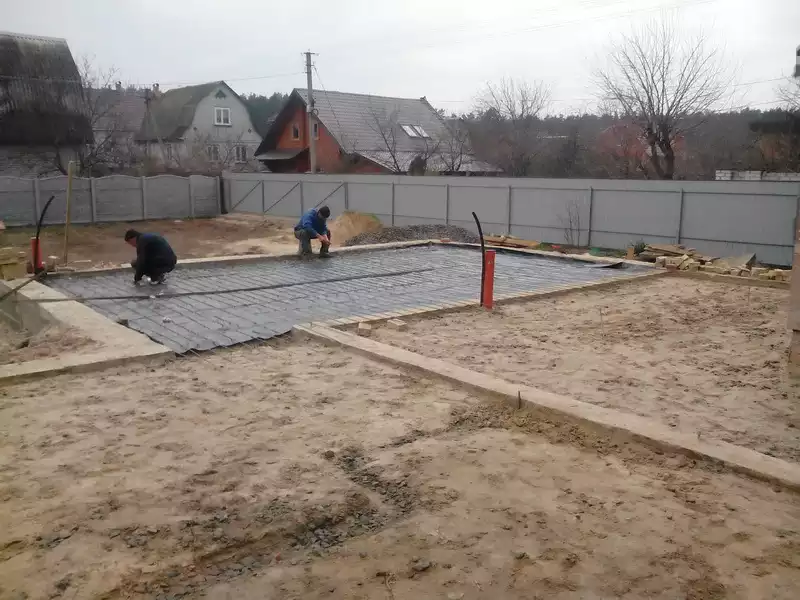
Even within the same settlement, land prices can differ very significantly. The reason is simple: in reality, the buyer is not purchasing just a cadastral number and a formal area, but the ability to use the plot without unnecessary problems, build on it, and live there in the future.
When valuing a specific land plot, people usually pay attention to the following things:
- Village, private residential area, or summer house cooperative. Formally, this may be real estate in one location, but the market perceives it differently. Summer house cooperatives often have their own rules, a separate logic for electricity connection, issues with transformers, contributions, and internal management. For some buyers this is acceptable, for others it is not.
- Size, shape, and configuration of the plot. One thing is a level rectangular plot where it is convenient to place a house, utility area, and a proper yard. Quite another is a narrow or awkwardly shaped subdivision where everything has to be “squeezed in.” Such details affect both comfort and future liquidity.
- Relief. A plot in a lowland where water collects after rain is almost always perceived worse. Likewise, complex terrain with elevation changes can make construction more expensive. The market understands this well, so such factors often put pressure on price.
- Groundwater level and flood risk. For many directions around Kyiv, this is not a theoretical issue but a very practical one. Especially near the Dnipro, the Desna, canals, meadows, and other damp locations. If the water table is high, this creates limitations for the foundation, basement, septic system, and normal use of the plot in general.
- Forest, water, peace and quiet, and the real surroundings. On paper, “near the forest” or “next to water” sounds very attractive. But in real life, things are a bit more complicated. Near water there may be more mosquitoes, moisture, and noisy vacationers. And a plot right next to a forest means not only a beautiful view, but also shade, dampness, and its own seasonal inconveniences. That is why these factors should be assessed without romanticizing them.
- Utilities. For the market, it matters not just whether electricity, gas, or the possibility of drilling a well exist. What matters is how much power can actually be allocated, how realistic it is to connect, and whether there will be problems with sewage and drainage. Where these things are more or less clear, properties usually sell more calmly and are valued more confidently.
- Neighbors and the immediate environment. This point is often underestimated, but unfairly so. Problematic neighbors, noise, chaotic development, difficult access roads, or a strange surrounding environment can easily reduce the market appeal of even a decent plot.
2. What Matters for the Value of an Apartment, House, and Cottage in the Suburbs
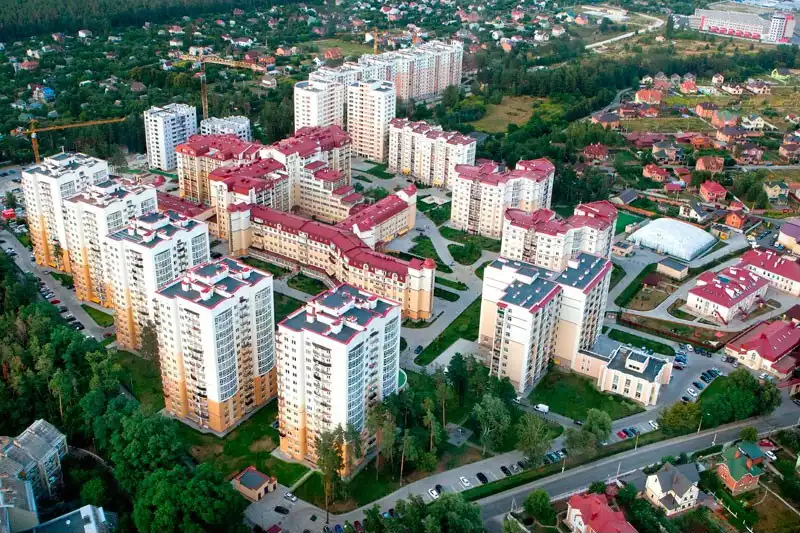
When we talk about the suburbs of Kyiv, it is important not to mix apartments in satellite towns and private houses outside the city into one category. These are different segments, and buyers in them look at completely different things.
For an apartment, the decisive factors are usually transport links, development density, schools, kindergartens, clinics, shops, the condition of courtyards, and everyday convenience. For a house or cottage, this list is supplemented by quite different factors: plot size, a sense of space, quietness, neighbors, engineering systems, autonomy, insulation, convenience of access, and the seasonality of use.
If we look at apartments in satellite towns, the market logic usually looks like this.
Brovary. This is a large suburb with established infrastructure and stable market perception. There is demand for apartments here because the city no longer looks like a mere “extension of Kyiv.” It has its own separate life. The downside is population density and traffic jams at the entrance to the capital during peak hours.
Irpin and Bucha. For these towns, important drivers of value remain nature, parks, forest surroundings, new development, and the overall feeling of a greener environment. But the market here is sensitive to overloaded infrastructure, transport problems, and overly dense development. So proximity to Kyiv alone does not automatically guarantee a higher valuation.
Vyshhorod. Apartment prices here are supported by proximity to Kyiv, access to water, relatively convenient routes, and a fairly understandable urban format. For some buyers, a major plus is the absence of the chaotic feeling that can be found in certain other suburbs.
Sofiivska Borshchahivka, Vyshneve, Kriukivshchyna. These are locations where apartment prices depend very strongly on how overloaded the district already is with development and whether the infrastructure keeps pace with the number of new residents. On paper, being close to Kyiv is a plus. But if schools are overcrowded, roads are jammed, and the area is growing faster than it is being properly arranged, the market starts reacting more cautiously.
Boryspil. Its strong side is a good road to Kyiv and a town with its own full-fledged infrastructure. That is why apartments here are often perceived better than in some closer but less balanced locations.
Obukhiv. This is a suburb where demand is largely supported by a calmer pace of life, a greener environment, and a more autonomous urban format. But for some buyers, the distance from Kyiv and the uneven development of certain districts remain restraining factors.
In other words, for an apartment in the suburbs, it is not enough that the “price is lower than in Kyiv.” What matters is whether the satellite town is already well formed, whether it is overloaded with development, and whether the resident will have to pay every day with time for the savings on the square meter price.
In the segment of private houses and cottages, the picture is different. Here the buyer looks not only at the direction, but also at the property itself. Sometimes a house in a good location loses in value simply because it is too large, inconvenient to use, or expensive to maintain.
The market value of a house in the suburbs is often affected by the following things:
- Total area. Very large houses have long since lost the unconditional advantage once attributed to them. The market has become more pragmatic. Buyers think not only about prestige, but also about cleaning, heating, repairs, and real everyday scenarios. That is why a well-designed house of moderate size is often perceived better than a “palace with extra space.”
- Number of floors. Single-story houses have looked steadily more practical and liquid in recent years. If the plot allows it, many buyers prefer exactly this format. Two-story houses are also in demand, but overly complicated multi-level solutions are no longer as popular with the market.
- Insulation and overall energy efficiency. This is no longer a small detail. In recent years, buyers have become much more attentive to how much it will cost to maintain a house. A well-insulated property with a clear heating system is perceived as more valuable and more reliable than a house that requires constant spending.
- Autonomy. A generator, backup power supply, a stove, or another independent source of heat is no longer exotic for a suburban house, but a noticeable advantage. These things do not always add price one-to-one, but they certainly affect how the market perceives the property.
- Drainage and sewage. Where this issue has been solved properly, the house gains a noticeable advantage. And where the owner has not thought through the basic engineering, problems quickly become obvious both to the buyer and to the appraiser.
That is why the simplified formula “a bigger house = a more expensive house” does not work in the suburbs. Value is formed by a combination of location, the characteristics of the building itself, and the convenience of using it afterward.
2.1. Buying a Ready House, Reconstructing an Old One, or Building from Scratch?
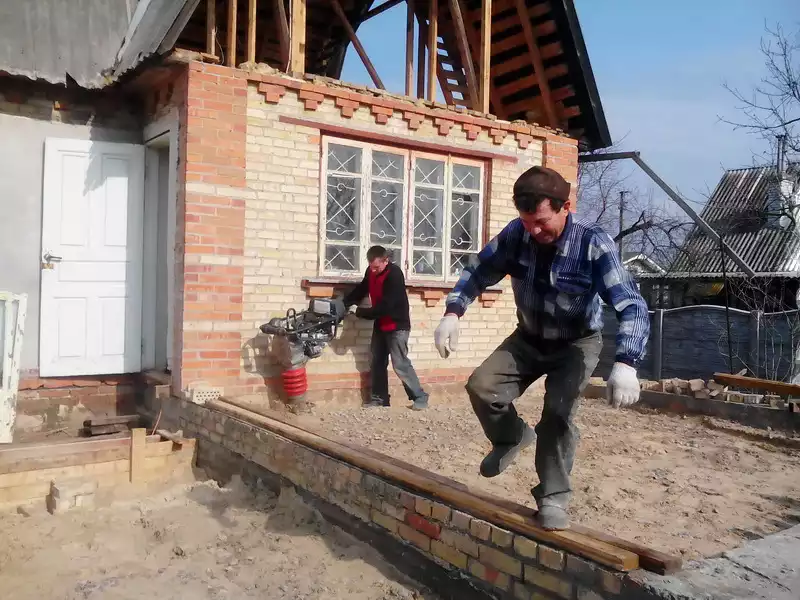
This question also affects the value of real estate, but here it is important not to overload one article with everything at once. In short, the market perceives a ready modern house, an old summer cottage for reconstruction, and simply a vacant land plot in different ways.
A ready house usually wins in speed of decision-making: the buyer sees exactly what is being purchased and can assess not only the location, but also the actual condition of the property. But here it is very important how well the house was built, whether it requires hidden expenses, and whether its layout matches current demand.
An old house or a summer cottage for reconstruction can sometimes turn out to be a good solution in terms of budget, especially if the location is strong and there is almost no vacant land there. But this format always requires a separate sober calculation.
If we are talking specifically about buying an already existing house and trying to understand what may be wrong with it before the deal.
In the end, the logic is very simple. The value of real estate in the suburbs of Kyiv is influenced not by one factor, but by a whole set of circumstances: direction, the road to the capital, the type of property, the local surroundings, the condition of utilities, water, terrain, the development around it, and even the scenario of everyday life. That is why valuing an apartment, house, or land plot “as an average suburban property” is almost always a mistake.